Skip to content 
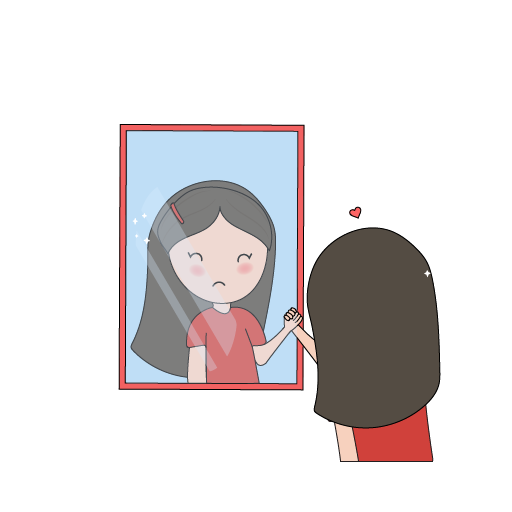


I accept the disappointments of my past and heal my future.
Disappointment has a particular shape. It is the gap between what was indicated and what arrived — a job offer withdrawn in the third week, a person who meant it in June and didn't by September.
The damage is rarely the loss itself. It is the quiet conclusion drawn afterwards: that indications cannot be trusted, that hope is a tax. That conclusion then goes to work on everything that comes later, which is how a disappointment from 2011 gets to spoil something in 2026.
Accepting the old one means letting it stay old. It happened, it was real, and it was never a survey of the future.